
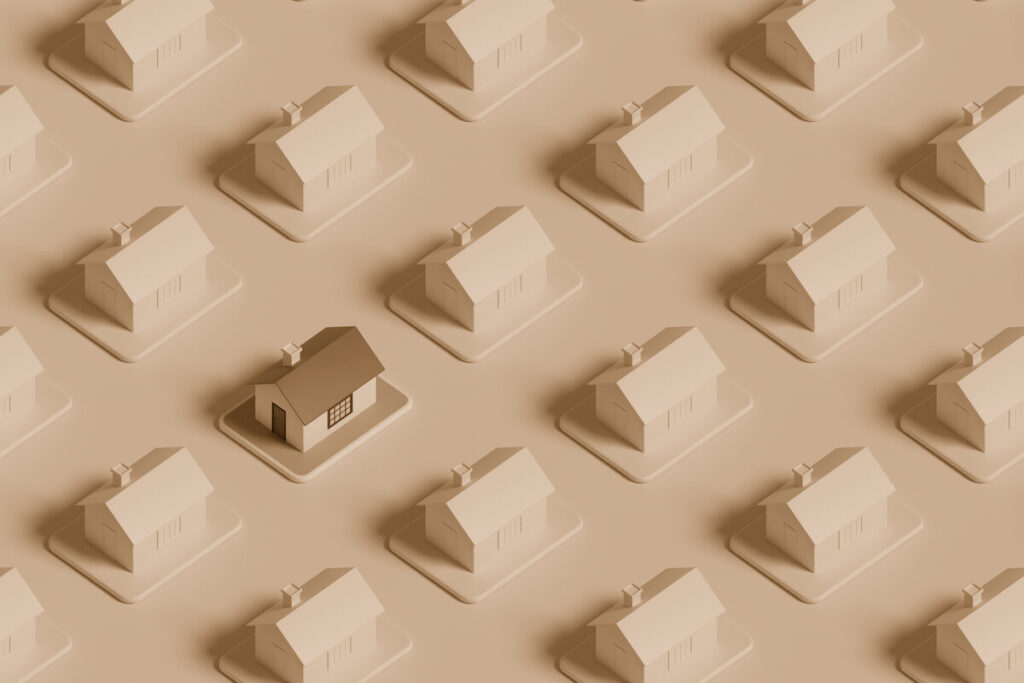
Nestled in the northeast corner of Long Beach, Carson Park—affectionately known as Plaza East—stands as a vibrant testament to the city’s layered history, suburban charm, and steadfast neighborhood pride. Whether you’re strolling down Woodruff Avenue, relaxing in Heartwell Park, or waving to families unloading groceries on Oak Street, Carson Park radiates a unique warmth rooted in decades of community spirit.
Origins: Farmland to Family Neighborhood
The story of Carson Park begins much like the tale of Long Beach itself: with fields, ranches, and the slow, determined push of urban development. Before houses and schools dotted the landscape, this area was a swath of open ranchland, influenced by the region’s Spanish and Mexican land grant heritage.
The neighborhood as we know it started to take shape in the late 1940s and early 1950s. Following World War II, Long Beach faced a growing demand for homes as returning veterans and their families flocked to the area. Developers saw the open land east of the Plaza—adjacent to rapidly growing Lakewood and straddling the new boundaries of Long Beach—as prime real estate for new suburban tracts.
How Carson Park Got Its Name
The name “Carson Park” pays homage to the major thoroughfare that defines the area: Carson Street, named after the influential pioneer and landowner Juan José Domínguez, whose Rancho San Pedro encompassed much of the modern South Bay. The “Park” element highlights the abundance of green spaces, particularly the neighborhood’s crowning jewel, Heartwell Park. Locally, the term “Plaza East” nods to its location east of the original Plaza neighborhoods—home to the “Plaza” shopping district at Clark Avenue and Spring Street, a longtime community hub.
Key Historical Milestones
- The Suburban Boom: Construction began in earnest around 1950, with neat rows of single-story California ranch homes sprouting on streets like Stearns, Woodruff, and Chatwin Avenue. What had been hayfields became sidewalks buzzing with the chatter of children and daily deliveries of milk bottles.
- Heartwell Park Opens: Named for city engineer Stanley Heartwell, Heartwell Park opened in 1952 and quickly became the heart of the community. The park’s sprawling green carpets, duck pond, and nine-hole golf course have hosted generations of picnics, little league games, and neighborhood festivals.
- Rise of Schools & Institutions: As families settled in, schools blossomed. Cubberley K-8 School and Gant Elementary became community anchors, echoing with laughter and school spirit. The establishment of these schools anchored Carson Park as a family-friendly neighborhood, and their PTAs continue to foster close-knit ties.
- Aviation & Aerospace Links: During the 1950s and ‘60s, many Carson Park residents commuted to Douglas Aircraft and McDonnell Douglas (located just south in Lakewood and Long Beach), tying the neighborhood to the city’s aerospace heyday.
Notable Landmarks and Beloved Spots
A stroll through Carson Park reveals a tapestry of beloved landmarks and gathering spots:
- Heartwell Park: Stretching along the southern edge of the neighborhood from Clark Avenue to Palo Verde (with entrances off both Studebaker and Woodruff), Heartwell Park is a 162-acre oasis. Its meandering bike paths, ballfields, and recreation center are the heartbeat of many a family’s weekend.
- Bethany Lutheran Church: Established in the 1950s on Clark Avenue, this institution has served as both a sanctuary and a community center, hosting events and supporting families for seven decades.
- Carson Park Community Center: This modest but bustling facility on Parkcrest Street serves as the focal point for local meetings, classes, and youth programming—reflecting the area’s commitment to fostering connection.
- Springs Shopping Plaza: While many businesses have changed over the years, this classic center at Stearns and Bellflower Blvd has long been a neighborhood staple for quick errands and friendly faces.
Evolution Over the Decades
Carson Park’s evolution mirrors Long Beach’s own transformations. In its early days, it was defined by young families, tree-lined streets, and a strong sense of postwar optimism. Over time, original homeowners passed along their keys to a new generation, and today it’s not uncommon to meet residents whose parents bought their first home here—reflecting the area’s multigenerational appeal.
- In the 1970s and ‘80s, shifting cultural and demographic trends brought new faces and fresh energy to the blocks. Today, the neighborhood is a tapestry of cultures, backgrounds, and stories.
- A renewed emphasis on community involvement—through block parties, little league, and neighborhood watch programs—has helped maintain the safe, welcoming atmosphere that defines Carson Park.
- Housing here has held its value thanks to excellent schools, ample parks, and a prime location close to central Long Beach as well as the Los Cerritos and Lakewood shopping hubs.
What Makes Carson Park Special
People often ask what keeps Carson Park’s community spirit alive through the years. The answer, perhaps, is as simple as the sidewalks themselves—places where neighbors meet, children play, and traditions take root. Whether attending a concert in Heartwell Park, rooting for a local sports team, or simply chatting with neighbors on a summer evening, there’s a tangible sense of pride and connection.
It’s not just the leafy canopies, well-tended homes, or the memories of lemonade stands on hot August afternoons. It’s the continuity—the way families plant roots and grow their own history, adding layers to the neighborhood’s ever-unfolding story.
Exploring Carson Park Today
For those exploring Long Beach, Carson Park (Plaza East) remains a hidden gem that seamlessly blends past and present. Tree-lined avenues like Elmbrook, Ladoga, and Hackett invite visitors to explore by foot or bike, while old-growth camphor and magnolia trees shade classic postwar homes.
On weekends, softball teams, runners, and bicyclists animate Heartwell Park, and in the evenings, porch lights glow as families wind down after a day in the California sun. It’s a neighborhood that honors its roots—celebrating the simple joys of community, history, and heritage.
Whether you’re a longtime resident or a first-time visitor, Carson Park welcomes you with open arms, a hopscotch grid on the sidewalk, and a rich legacy that continues to inspire all who call it home.